



Reasons for Choosing 14 Karat Gold
If you are choosing a necklace, bracelet, ring or pair of earrings, you may wonder: is 14K gold good for jewelry? The answer depends on what you want from the piece. Gold content, everyday wear, design detail, budget and personal comfort all matter when selecting fine jewelry.
14K gold jewelry is made with real gold combined with other metals to create an alloy suitable for many wearable designs. It can provide an elegant gold appearance while supporting the structure needed for chains, clasps, rings, settings and other details used in everyday jewelry.
What Does 14K Gold Mean?
Gold purity is measured using the karat system, with 24K representing pure or nearly pure gold. A piece marked 14K gold contains 14 parts gold and 10 parts of other metals out of 24 total parts. This equals approximately 58.3% gold by weight.
According to the Federal Trade Commission guidance on buying gold jewelry, pure gold is soft, so it is commonly mixed with other metals to increase hardness and durability for jewelry use. The karat mark helps shoppers understand the stated gold content of a piece.
14K Gold Is Different From Gold-Plated Jewelry
A piece described as 14K gold should not be confused with jewelry that is only plated with a layer of gold over another metal. These terms refer to different product constructions and should be clearly distinguished when comparing jewelry online.
Before selecting any piece, review its product description for stated karat, gold color, dimensions and other material details. Clear information is especially important when buying a gift or selecting jewelry intended for frequent wear.
Is 14K Gold Good for Jewelry?
For many jewelry buyers, 14K gold can be a practical and attractive option. It contains real gold while incorporating alloy metals that help create wearable pieces with the structure needed for fine chains, bracelet links, ring shapes, earring components and decorative settings.
This does not mean that 14K jewelry is impossible to scratch, bend or damage. All fine jewelry should be worn and handled thoughtfully. However, the alloy composition is one reason 14K gold is commonly selected for jewelry designs intended to be enjoyed regularly.
A Balance of Gold Appearance and Wearability
Higher gold purity generally creates a richer yellow gold tone, while 14K gold may appear slightly less intensely yellow depending on the alloy and gold color. For many wearers, this provides a refined look that coordinates naturally with everyday clothing and occasion styling.
14K gold can also be available in yellow, white-toned or rose-toned designs where offered. The appropriate color depends on personal preference, existing jewelry and the product options available for the individual design.
Suitable for Many Jewelry Categories
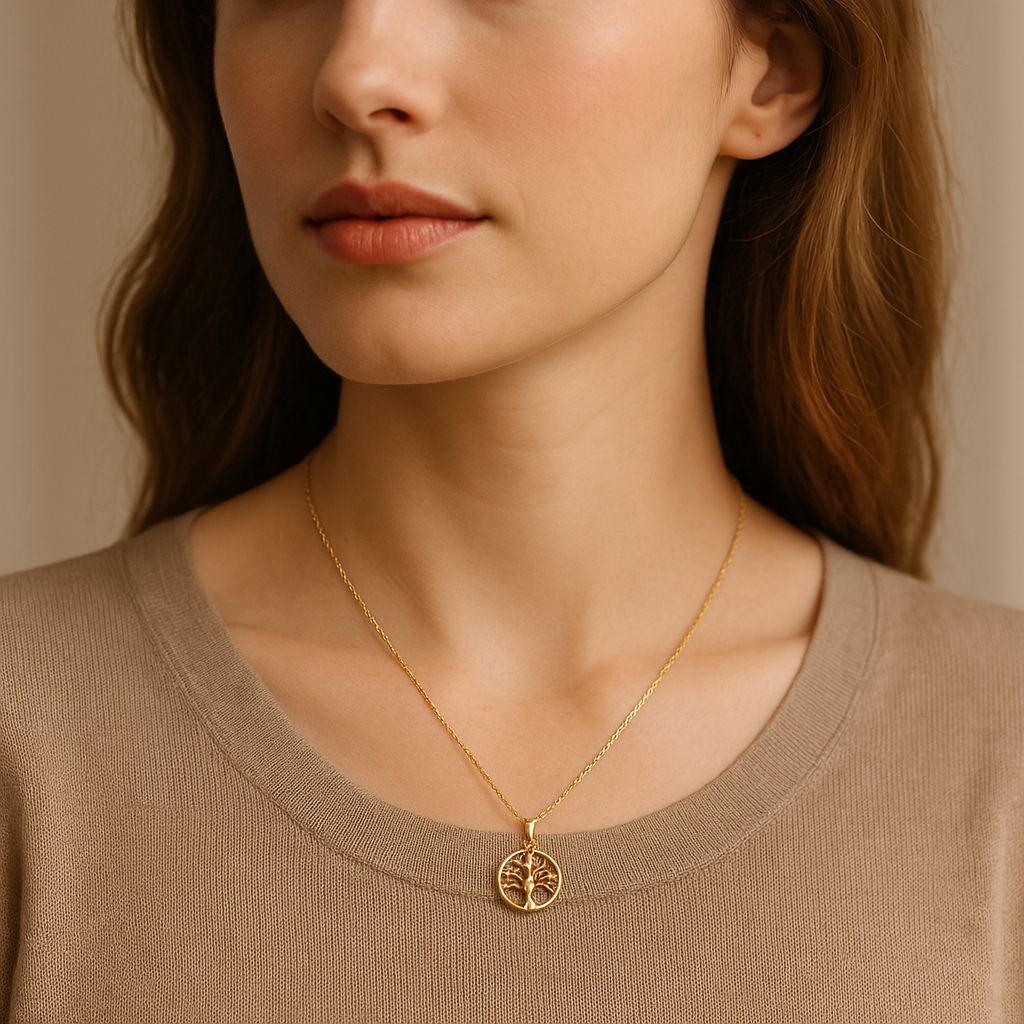
A 14K gold chain can provide a polished neckline accent or hold a compatible pendant. A bracelet can add gold detail to the wrist, while rings and earrings offer designs ranging from minimal to more decorative styles.
Fiyonk Fine Jewelry offers a selection of 14K gold jewelry for customers exploring necklaces, bracelets, rings, earrings and meaningful gift ideas.
14K Gold Compared With 18K and 22K Gold
When deciding whether 14K gold is suitable for you, it helps to understand how it differs from higher karat options. The main difference is gold proportion: as the karat number rises, the piece contains a greater percentage of gold.
- 14K gold: Approximately 58.3% gold by weight, with the remaining portion made from alloy metals.
- 18K gold: 75% gold by weight, with a higher gold proportion than 14K.
- 22K gold: Approximately 91.7% gold by weight, with a richer gold content and softer character than lower-karat gold alloys.
- 24K gold: Pure or nearly pure gold, which is softer and less commonly chosen for intricate everyday jewelry structures.
Which Karat Is Best?
There is no single best karat for every buyer. If your priority is a higher gold proportion and a richer traditional gold appearance, a higher karat may appeal to you. If you are selecting jewelry for regular styling, detailed construction or a broad variety of designs, 14K gold may be a suitable choice.
The decision should be based on the individual item, how you plan to wear it and the material description provided by the jeweler. Appearance alone should not replace checking karat and product information.
Choosing 14K Gold Jewelry for Everyday Wear
Jewelry worn regularly needs to fit comfortably into your routine. A necklace may come into contact with clothing and cosmetics, a bracelet moves alongside the wrist, rings encounter surfaces through daily activity and earrings depend on comfort over extended wear.
When choosing 14K gold for regular styling, consider not only the gold content but also the design profile, clasp or fastening, dimensions and whether decorative elements require additional care.
14K Gold Necklaces and Chains
A 14K gold necklace can work as a simple everyday accent, a layered piece or a foundation for a compatible pendant. Pay attention to chain length, thickness and clasp construction, especially if you plan to wear the necklace often.
Delicate chains may create subtle elegance, while more visible link designs can stand alone as a stronger feature. If a pendant is involved, confirm that its attachment and weight are appropriate for the chain selected.
14K Gold Bracelets
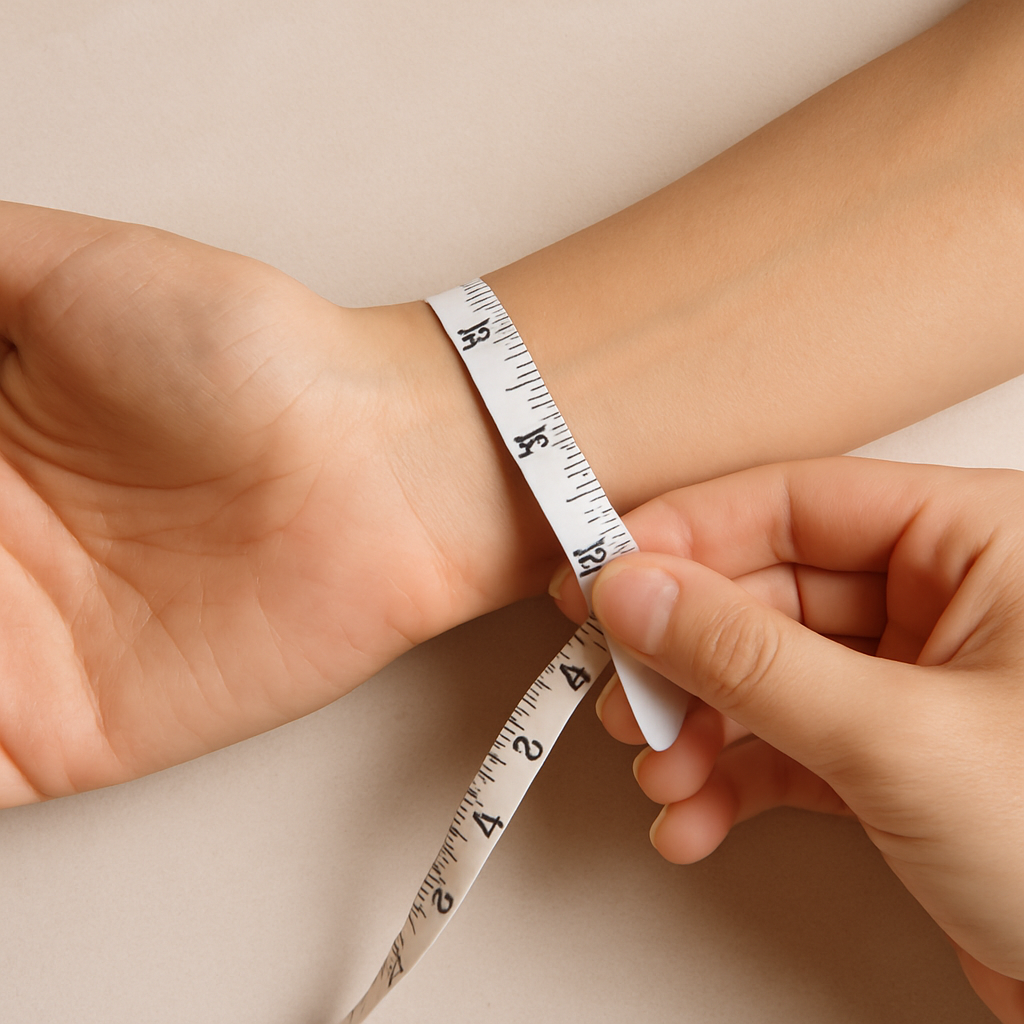
A bracelet should sit comfortably during hand and wrist movement. For flexible chain bracelets or stone-detailed designs, review length and clasp details carefully before ordering.
If you plan to wear a bracelet beside a watch or stack several designs, allow enough comfort and spacing to reduce constant rubbing between pieces.
14K Gold Rings and Earrings
Rings require accurate sizing and a design profile suited to how frequently you use your hands. A raised or highly decorative ring may require greater care than a smooth everyday design.
For earrings, consider closure style, weight and whether the design suits the recipient's usual preferences when selecting a gift. Product-specific details are more reliable than choosing by appearance alone.
Is 14K Gold Suitable for Sensitive Skin?
Claims about allergies should be treated carefully. Skin sensitivity can depend on the specific metals mixed with gold in an alloy, not only the karat number. Some individuals may react to metals such as nickel used in certain jewelry items.
The American Academy of Dermatology guidance on nickel allergy advises people with nickel sensitivity to avoid jewelry containing nickel and identifies certain higher-karat yellow gold options among materials that may help avoid exposure.
What to Do if You Have Metal Sensitivity
Do not assume that every 14K gold item is automatically suitable for sensitive skin. If you have known metal allergies or have experienced irritation from jewelry, review available material information and seek clarification about the individual piece before purchasing.
If irritation develops while wearing jewelry, discontinue wear and consult an appropriate medical professional when needed. Comfort and skin health are more important than continuing to use a piece that causes a reaction.
Does 14K Gold Keep Its Value or Make a Good Investment?
14K gold jewelry contains gold, so its material content can contribute to resale value. However, buying finished jewelry is not the same as purchasing gold solely as an investment product. A jewelry price can reflect design, craftsmanship, finishing, retail operations, branding and other factors beyond raw gold content.
For this reason, it is not accurate to promise that 14K gold jewelry will increase in value, never lose money or produce a specific resale return. The amount offered when selling a piece may depend on its gold content, weight, condition, current gold market price, desirability and the buyer's evaluation process.
Why Purchase Price and Resale Price Can Differ
A finished jewelry piece is purchased to be worn and appreciated as a design. When it is later evaluated for resale, a buyer may focus on recoverable gold content or resale demand rather than the full original retail cost.
If your main goal is jewelry, choose a design you appreciate wearing and whose stated material information is clear. If your main goal is financial investment, evaluate investment-specific products and obtain appropriate independent guidance rather than relying on jewelry resale assumptions.
What to Check Before Buying 14K Gold Jewelry
The question is not only whether 14K gold is good in general. The more useful question is whether a particular 14K gold design is right for your style, expectations and intended use.
- Karat description: Confirm that the item is clearly described as 14K gold.
- Product construction: Distinguish solid karat gold descriptions from plated or differently described products.
- Gold color: Choose yellow, white-toned or rose-toned gold where available according to your preference.
- Jewelry type: Consider whether you need a necklace, bracelet, ring, earrings or a gift-ready design.
- Dimensions and fit: Review necklace length, bracelet size, ring size or earring details as relevant.
- Decorative materials: Check individual product descriptions for stone, enamel or other design information.
- Skin sensitivity: Request additional material information if you have known metal allergies.
- Care expectations: Plan to protect fine jewelry from pulling, harsh chemicals, chlorine and unsuitable storage.
- Resale expectations: Do not assume a fixed return or guaranteed future value from finished jewelry.
A careful review of these details helps you select jewelry for what it genuinely offers: real gold content, personal style, meaningful design and enjoyment in wear.
Frequently Asked Questions About 14K Gold
Is 14K gold good for jewelry?
14K gold can be a practical option for jewelry because it contains real gold while its alloy composition supports the hardness needed for many wearable designs. The correct choice still depends on the individual product and your preferences.
What percentage of gold is in 14K gold?
14K gold contains 14 parts gold out of 24 total parts, which equals approximately 58.3% gold by weight. The remaining portion consists of alloy metals.
Is 14K gold real gold?
Yes. A properly described 14K gold item is karat gold containing real gold in an alloy. It is different from a product that is merely coated or plated with gold over another material.
Is 14K gold better than 22K gold?
Neither is automatically better for every purpose. 22K gold contains a higher proportion of gold, while 14K gold may suit many jewelry designs intended for regular styling because of its alloy composition.
Does 14K gold jewelry lose value when sold?
Resale outcomes vary and cannot be guaranteed. Gold content, weight, market price, condition, design and the buyer's offer all affect what a piece may be worth at a later date.
Is 14K gold hypoallergenic?
It should not be assumed to be hypoallergenic without knowing the complete alloy composition. People with metal sensitivities should check material details carefully before selecting jewelry.
Explore 14K Gold Jewelry From Fiyonk Fine Jewelry
14K gold can be an elegant choice for jewelry when selected with a clear understanding of its gold content, design, comfort and intended wear. Explore Fiyonk Fine Jewelry 14K gold designs to compare necklaces, bracelets, rings, earrings and meaningful gifts with product-specific details.
This content is written and approved by Fiyonk Jewelry Ltd., a company with more than 20 years of experience in the gold jewelry industry. Fiyonk Fine Jewelry also operates two physical stores located in Istanbul, Turkey. You can view our store location on Google Maps here: Fiyonk Jewelry Google Maps Location.

Written by Muge Ekmekcioglu Seker

Leave a comment
This site is protected by hCaptcha and the hCaptcha Privacy Policy and Terms of Service apply.