



Left or Right? Which Wrist Should Men Wear Bracelets On?
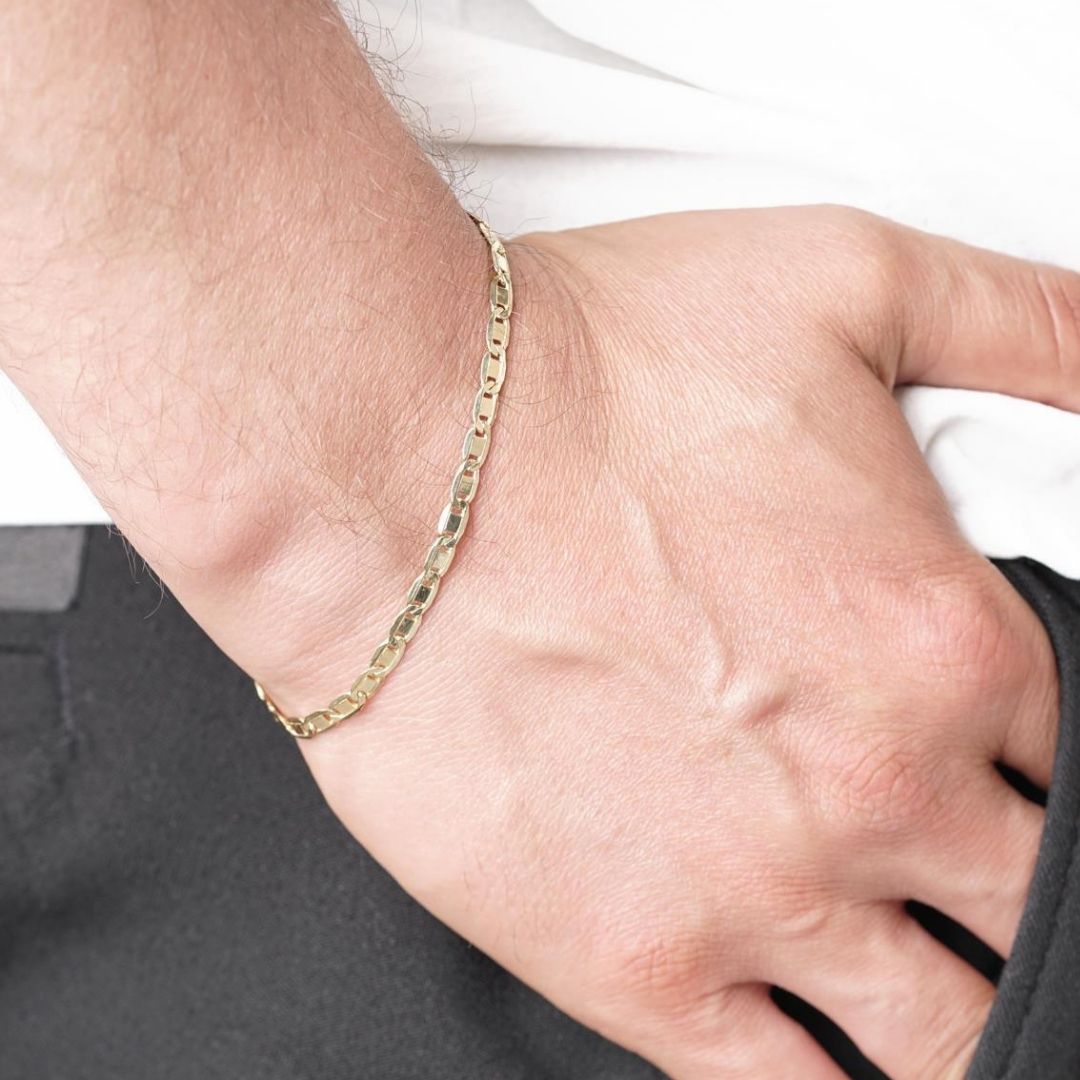
Which wrist should a man wear a bracelet on? There is no single required answer. A men's bracelet can be worn on the left wrist, right wrist or alongside a watch, depending on comfort, hand dominance, personal style and the type of bracelet selected.
For many men, the most practical starting point is the non-dominant wrist, since it may encounter less movement and contact during daily tasks. Others prefer placing a bracelet opposite their watch to create visual balance. This guide explains how to decide which option feels most natural for your style and routine.
Should a Man Wear a Bracelet on the Left or Right Wrist?
A man can wear a bracelet on either wrist. Unlike an engagement or wedding ring placement, a fashion bracelet does not normally require one universally recognized side. The most suitable placement depends on how the bracelet feels during movement and how it works with other accessories.
If you are choosing your first bracelet, begin by trying it on both wrists. Move through ordinary activities such as typing, using your phone, reaching into a pocket or putting on a jacket. The wrist on which the bracelet feels least distracting may be the better choice for regular wear.
Choosing the Left Wrist
The left wrist may appeal to a right-handed man who prefers to keep accessories away from the hand used most often for writing and daily tasks. It can also create a traditional, understated look when the bracelet is worn alone.
If you already wear a watch on the left wrist, you can either pair the bracelet with the watch or place it on the right wrist for separation. Neither approach is automatically correct; the decision should reflect comfort and proportion.
Choosing the Right Wrist
The right wrist may be a natural choice if you wear a watch on the left and want the bracelet to remain visually distinct. This arrangement gives each accessory its own space and can reduce direct contact between a metal bracelet and a watch case or strap.
A bracelet on the right wrist can also create a clear styling feature when the left wrist already includes a watch. For left-handed men, the right wrist may additionally be the more practical non-dominant option.
Why the Non-Dominant Wrist May Be a Practical Starting Point
The non-dominant wrist is often a sensible starting point for a bracelet intended for daily styling. A right-handed wearer may prefer a bracelet on the left wrist, while a left-handed wearer may prefer it on the right.
This choice is practical rather than symbolic. The hand used less frequently for writing, handling tools or completing detailed movements may expose a bracelet to fewer knocks against desks, bags and other surfaces.
Comfort During Daily Movement
A bracelet should not interfere with normal activity. When deciding on placement, consider whether it catches against a sleeve, rests uncomfortably while typing or slides excessively when the hand moves.
This is especially important for a gold bracelet with visible links or polished surfaces. Choosing the wrist that feels more natural can make it easier to wear the piece regularly while treating it with appropriate care.
There Is No Need to Follow a Strict Rule
Although the non-dominant wrist may be convenient, it is not a requirement. A man may prefer the look of a bracelet on his dominant wrist, may wear a watch on the opposite side or may simply find one placement more comfortable.
Jewelry should support personal style rather than create an unnecessary restriction. The best wrist is the one that gives the bracelet a comfortable and balanced place in your overall look.
How Should a Man Wear a Bracelet With a Watch?
A watch is often the main factor influencing bracelet placement. Men who regularly wear a watch can choose between keeping the pieces separate or styling them together on one wrist.
Option 1: Bracelet Opposite the Watch
Wearing a bracelet on the wrist opposite your watch creates a clean, balanced arrangement. If your watch sits on the left wrist, a gold bracelet on the right can become an independent detail without competing for space.
This option is particularly practical when the bracelet is substantial, highly polished or designed to stand out. It also avoids continuous contact between the bracelet and the watch during movement.
Option 2: Bracelet Beside the Watch
A slim bracelet can be worn on the same wrist as a watch for a coordinated layered appearance. This may work well when the bracelet is visually lighter than the watch and both pieces feel comfortable together.
When pairing metal accessories on the same wrist, consider whether they rub during ordinary movement. Constant contact can be distracting and may affect polished surfaces over time. If the combination feels crowded, moving the bracelet to the opposite wrist is the simpler solution.
Keep Proportion Balanced
A watch and bracelet should not compete unnecessarily. A larger watch often pairs best with one refined bracelet rather than several substantial pieces. A simpler watch may leave room for a more visible chain or textured bracelet.
Matching every element exactly is not necessary. A balanced gold detail can complement a watch through proportion, polish and overall style rather than requiring an identical finish.
Choosing a Bracelet Style for Men
A bracelet's design influences where and how it is best worn. A fine chain bracelet creates a subtle gold accent, while a thicker linked style gives the wrist a more pronounced visual feature.
Fine Gold Chain Bracelets
A fine chain bracelet can suit men who prefer understated jewelry. It may work well with office clothing, a simple shirt, knitwear or an evening outfit because it adds gold detail without making the wrist feel heavily accessorized.
This style can be worn alone or beside a watch when spacing and comfort allow. A refined chain is also a practical starting point for someone who is new to wearing men's jewelry.
Franco and Defined Link Designs
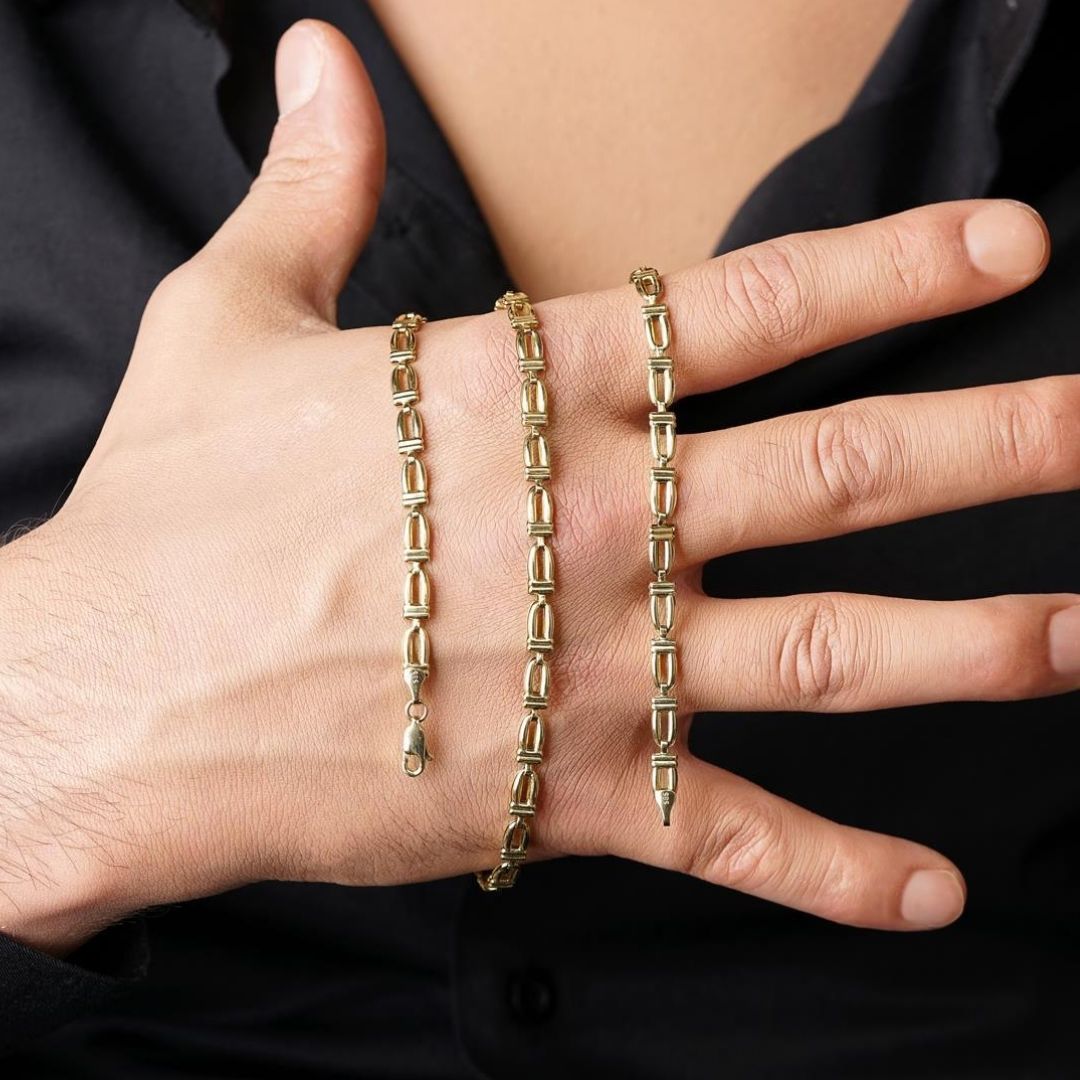
A Franco-inspired or visibly linked bracelet offers greater structure and presence. This type of design can be worn alone on the wrist to let its gold links become a clear styling feature.
For a more substantial bracelet, the wrist opposite a watch may give the design enough room to stand out. Review the individual product dimensions and length before selecting the right fit.
Rope and Textured Bracelet Styles
A textured bracelet or rope-inspired design catches light through its surface and link pattern. It can add detail to casual clothing or create a stronger jewelry accent for social events and occasion dressing.
Since texture already adds visual interest, one bracelet may be enough to complete the wrist styling. Keeping other accessories measured can help maintain a refined result.
Why 14K Gold Matters When Choosing a Bracelet
If you are selecting a fine gold bracelet, material information should be considered alongside appearance and fit. A clear karat description helps you understand the stated gold content of the piece.
According to the Federal Trade Commission guidance on buying gold jewelry, jewelry marked 14K contains 14 parts gold mixed with 10 parts of other metals out of a total of 24 parts. This means a 14K gold bracelet contains approximately 58.3% gold by weight.
Review the Exact Product Information
A bracelet described as 14K gold is different from jewelry described as gold-plated or gold-filled. When shopping online, check the precise material description rather than relying only on photographs or color.
Also review available length, width, clasp, gold color and care information for the selected bracelet. A design that looks attractive should also fit comfortably and suit the way you intend to wear it.
How Should a Men's Bracelet Fit?
A men's bracelet should sit securely without restricting natural wrist movement. A fit that is too tight may feel uncomfortable during daily activity, while an excessively loose bracelet may slide too much or catch more easily.
Measure Before Selecting a Bracelet
Use a flexible measuring tape around the wrist where you intend the bracelet to rest. If you do not have one, use a non-stretch string or narrow strip of paper, mark where the ends meet and measure the result with a ruler.
Compare your wrist measurement with the product dimensions provided for the bracelet. Your preferred amount of ease will depend on whether you want a close fit or gentle movement around the wrist.
Consider Your Watch and Sleeves
If the bracelet will be worn near a watch, confirm that both pieces sit comfortably without crowding each other. If it will be worn regularly with cuffs, jackets or knitwear, select a design and fit that do not constantly catch during dressing.
A bracelet intended for frequent wear should feel natural in the situations where you are most likely to use it, rather than only appearing attractive when the wrist is still.
How to Style a Men's Gold Bracelet by Occasion
A gold bracelet can move between casual outfits and more polished settings when its scale and placement are appropriate. The most refined approach usually begins with one carefully chosen piece rather than several competing accessories.
Everyday Casual Wear
For a simple daytime look, a fine or medium-scale gold bracelet can complement a T-shirt, sweater, overshirt or denim jacket. Wear it alone on the non-dominant wrist or opposite a watch for a clean finish.
A polished gold detail can add character without making a casual outfit feel overly dressed. Comfort and easy movement are especially important when the bracelet is intended for regular use.
Business Casual and Refined Looks
For a collared shirt, blazer or smart-casual outfit, choose a bracelet with a restrained silhouette. A simple gold chain or structured link design can add personal style while remaining polished.
If you also wear a watch, keep the combination balanced. A bracelet on the opposite wrist can create separation, while a slimmer bracelet placed beside the watch can create a coordinated detail.
Evening and Occasion Styling
An evening look can support a more noticeable gold bracelet, particularly when the rest of the outfit uses clean colors and simple lines. A defined chain or textured design can become the central jewelry feature on the wrist.
When wearing a stronger bracelet, avoid adding several equally dominant pieces. Allowing one gold design to stand out can create a more considered appearance.
How to Care for a Gold Bracelet
A bracelet worn on the wrist encounters regular motion, contact with surfaces, clothing and cosmetic products. Careful habits help protect its appearance and reduce unnecessary stress on links and clasps.
The Gemological Institute of America advises that chemicals found in cosmetics, household cleaners and chlorine can damage or discolor precious metals and may affect some decorative materials.
Practical Bracelet Care Tips
- Remove a fine gold bracelet before swimming, intensive exercise or household cleaning.
- Put jewelry on after applying lotion, perfume or other cosmetic products where practical.
- Store the bracelet separately to help reduce scratching or tangling with other jewelry.
- Use the clasp when putting on or removing the bracelet instead of pulling on its links.
- Check the clasp if it becomes difficult to secure or the bracelet begins to catch unexpectedly.
If the bracelet shows damage, changes in shape or concerns with its closure, consult an appropriate jewelry professional before continuing regular wear.
Men's Bracelet Buying Checklist
Before choosing a gold bracelet, review the factors that affect how comfortably and confidently it will fit into your style.
- Preferred wrist: Decide whether the left, right or non-dominant wrist feels most comfortable.
- Watch placement: Choose whether the bracelet will sit beside your watch or on the opposite wrist.
- Wrist measurement: Measure the wrist before comparing product lengths.
- Design scale: Select a fine bracelet for subtle styling or a more defined link for stronger presence.
- Gold information: Review the stated karat and gold color of the individual product.
- Closure: Check fastening details for comfortable everyday handling.
- Wardrobe: Consider whether the design suits casual wear, polished outfits or special occasions.
- Care routine: Plan for careful storage and appropriate handling during regular use.
The right bracelet placement is not dictated by one rule. A design that fits well, balances with your watch and feels natural during movement will usually be the strongest addition to your style.
Frequently Asked Questions About Which Wrist Men Should Wear Bracelets On
Which wrist should a man wear a bracelet on?
A man can wear a bracelet on either wrist. Starting with the non-dominant wrist is often practical for daily comfort, while wearing a bracelet opposite a watch can create visual balance.
Should a right-handed man wear a bracelet on his left wrist?
He may prefer the left wrist because it can be less involved in frequent daily movement. However, the right wrist can also be appropriate, especially if a watch is already worn on the left.
Can a man wear a bracelet and watch on the same wrist?
Yes. A slim bracelet can be styled beside a watch when the combination feels comfortable and the pieces do not continually rub against one another.
Can left-handed men wear bracelets on the right wrist?
Yes. A left-handed man may find the right wrist more comfortable as the non-dominant side, although personal preference and watch placement remain important.
Are gold bracelets suitable for men's daily style?
A gold bracelet can work well in men's everyday styling when the fit, width and design complement the wearer's routine. Fine jewelry should still be handled carefully to protect its links, finish and closure.
What does 14K gold mean in a bracelet?
A bracelet marked 14K contains 14 parts gold out of 24 total parts, with the remaining portion made from other alloy metals. Review the individual product description before selecting a piece.
Explore 14K Gold Bracelets From Fiyonk Fine Jewelry
Whether worn on the left wrist, right wrist or alongside a watch, a gold bracelet should reflect personal style while feeling comfortable in everyday movement. Browse Fiyonk Fine Jewelry 14K gold bracelets to compare refined chain, textured and statement designs using current product details.
This content is written and approved by Fiyonk Jewelry Ltd., a company with more than 20 years of experience in the gold jewelry industry. Fiyonk Fine Jewelry also operates two physical stores located in Istanbul, Turkey. You can view our store location on Google Maps here: Fiyonk Jewelry Google Maps Location.

Leave a comment
This site is protected by hCaptcha and the hCaptcha Privacy Policy and Terms of Service apply.